Cardiology Products

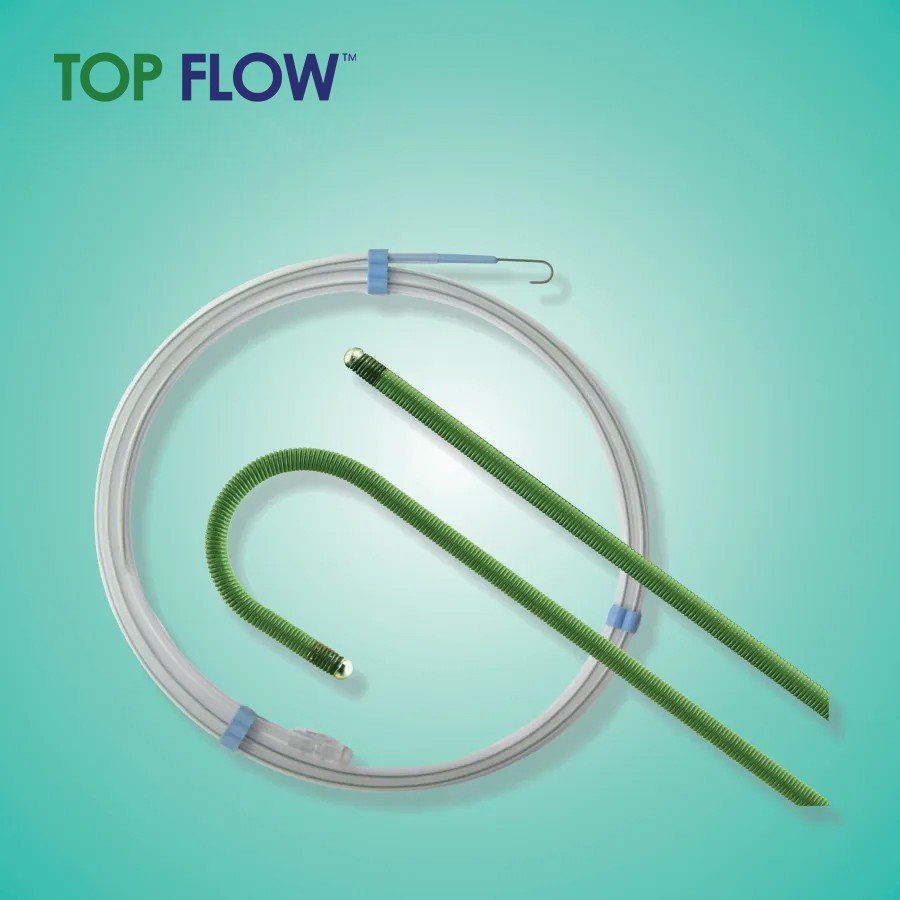
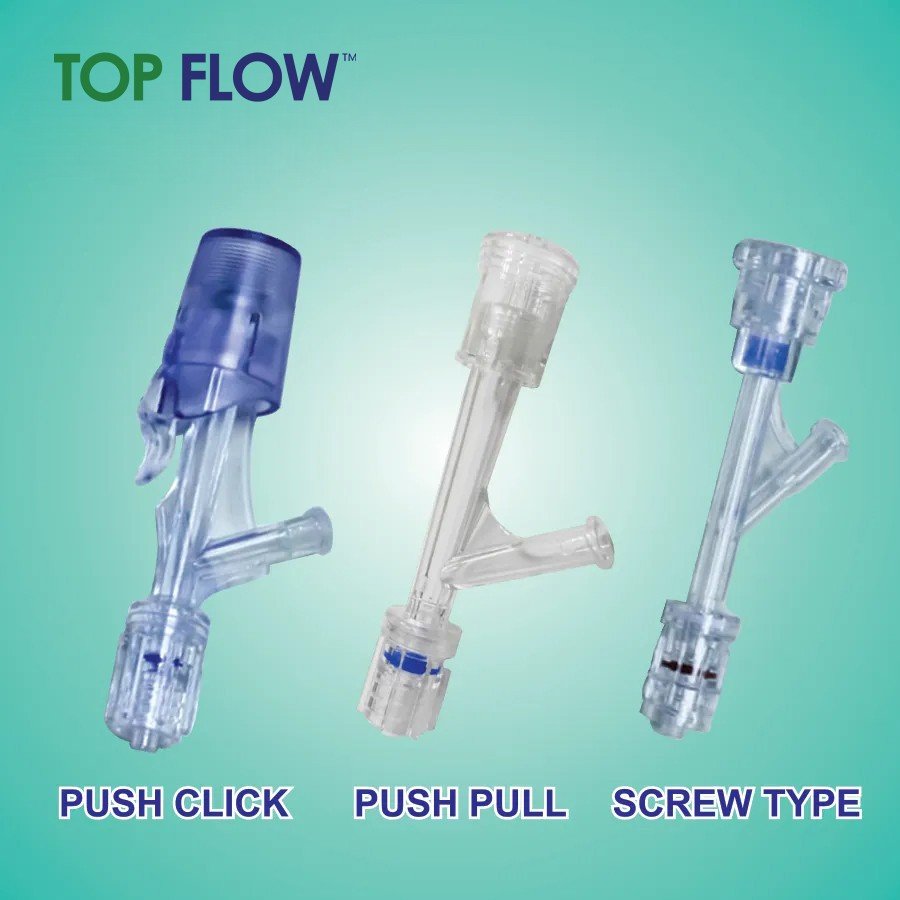
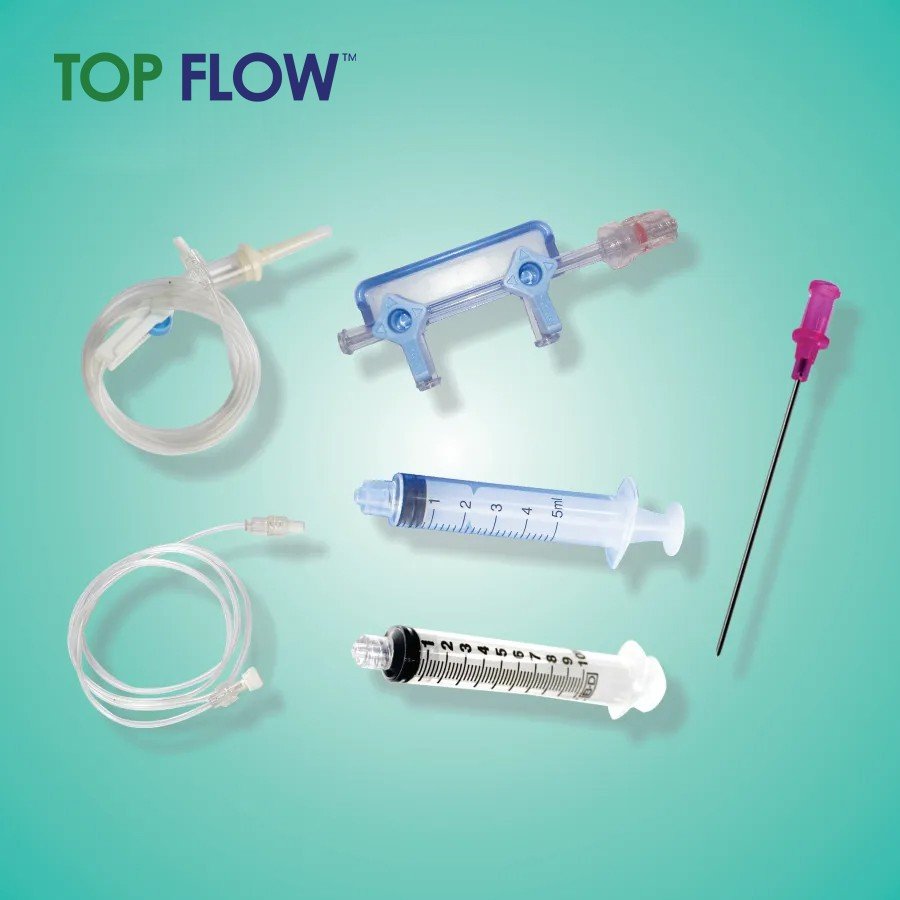
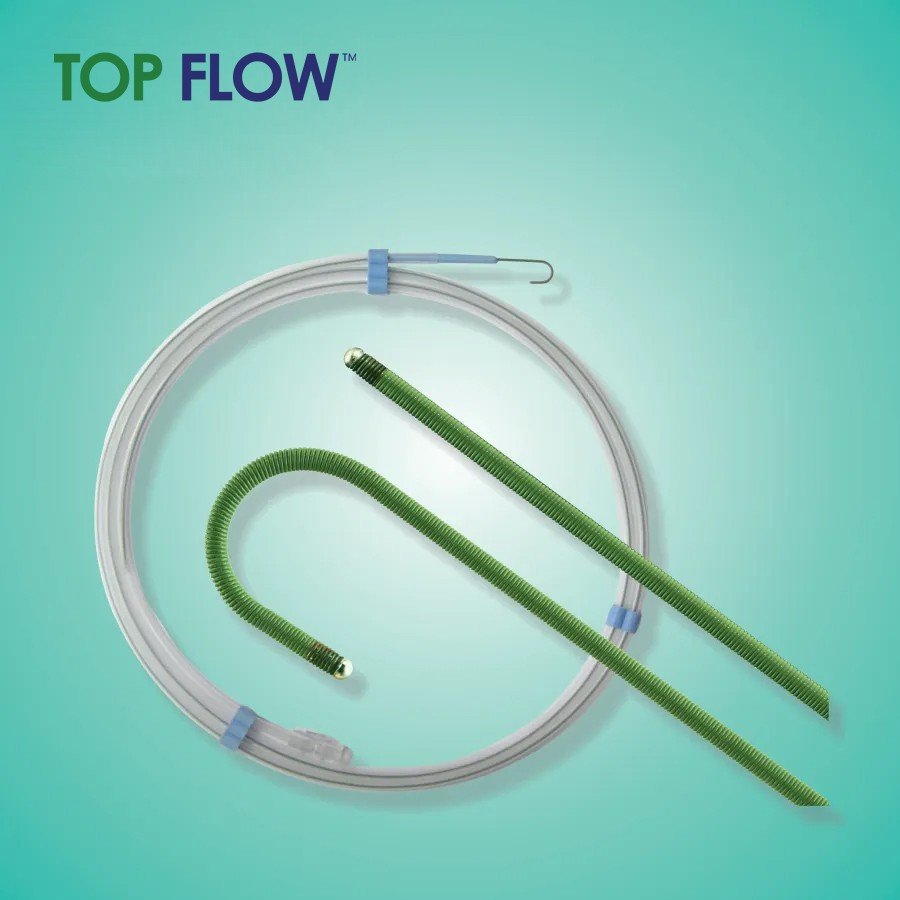
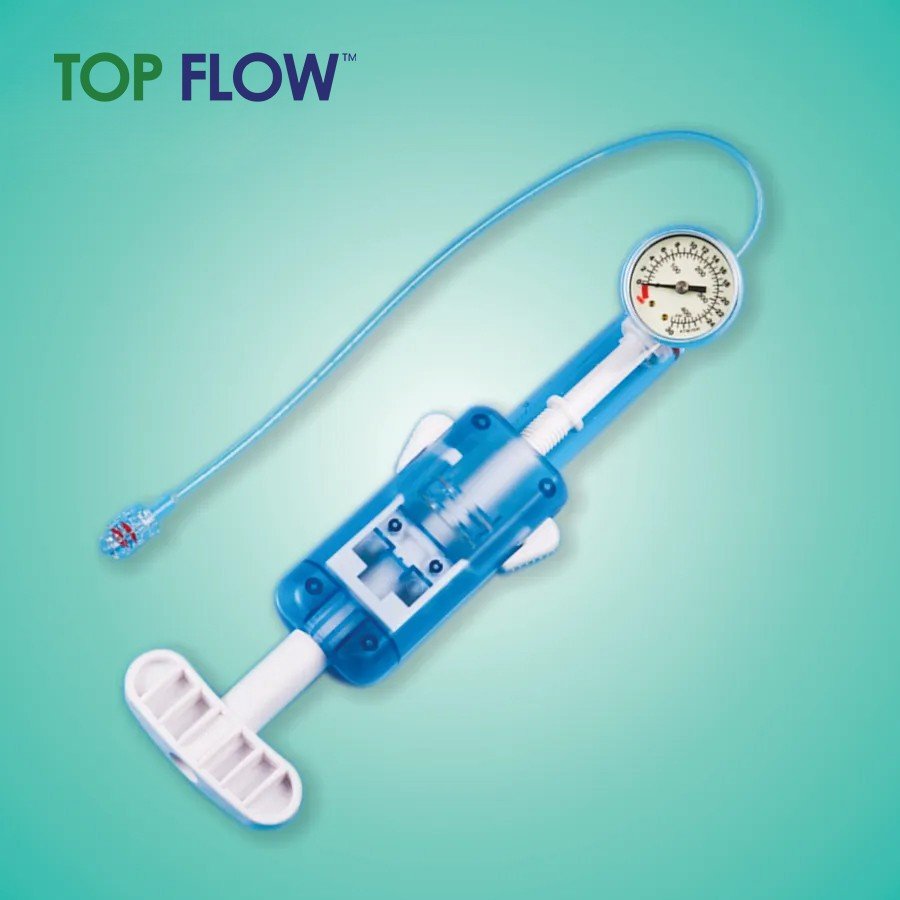
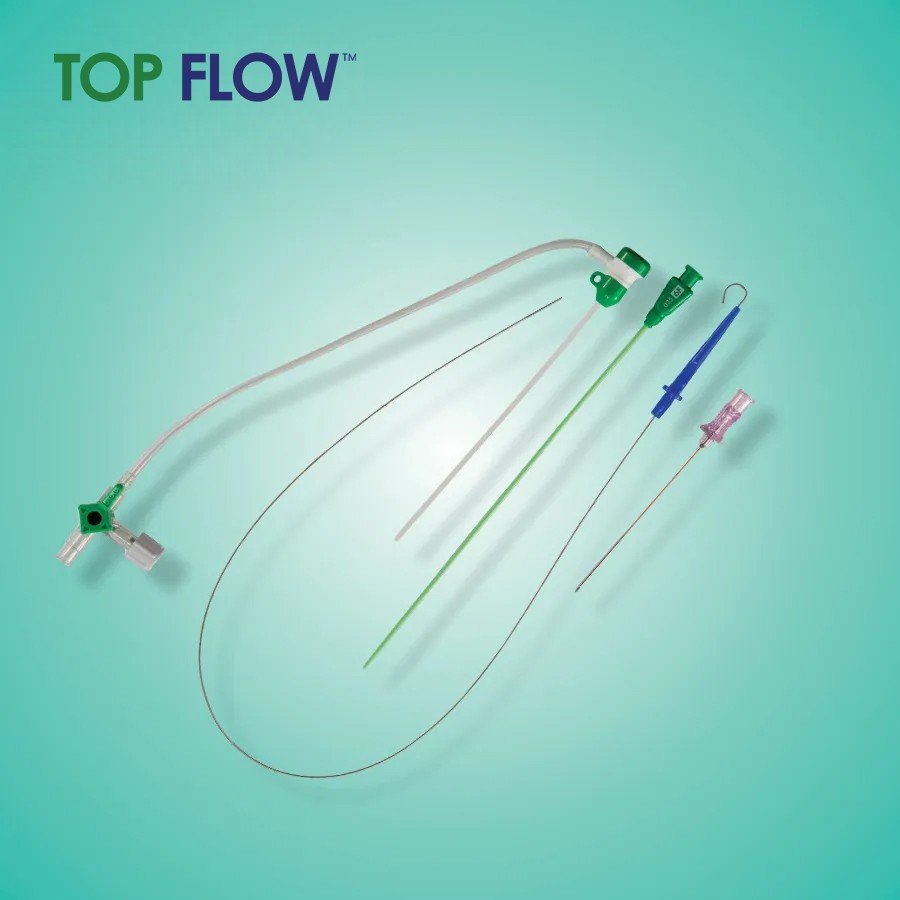
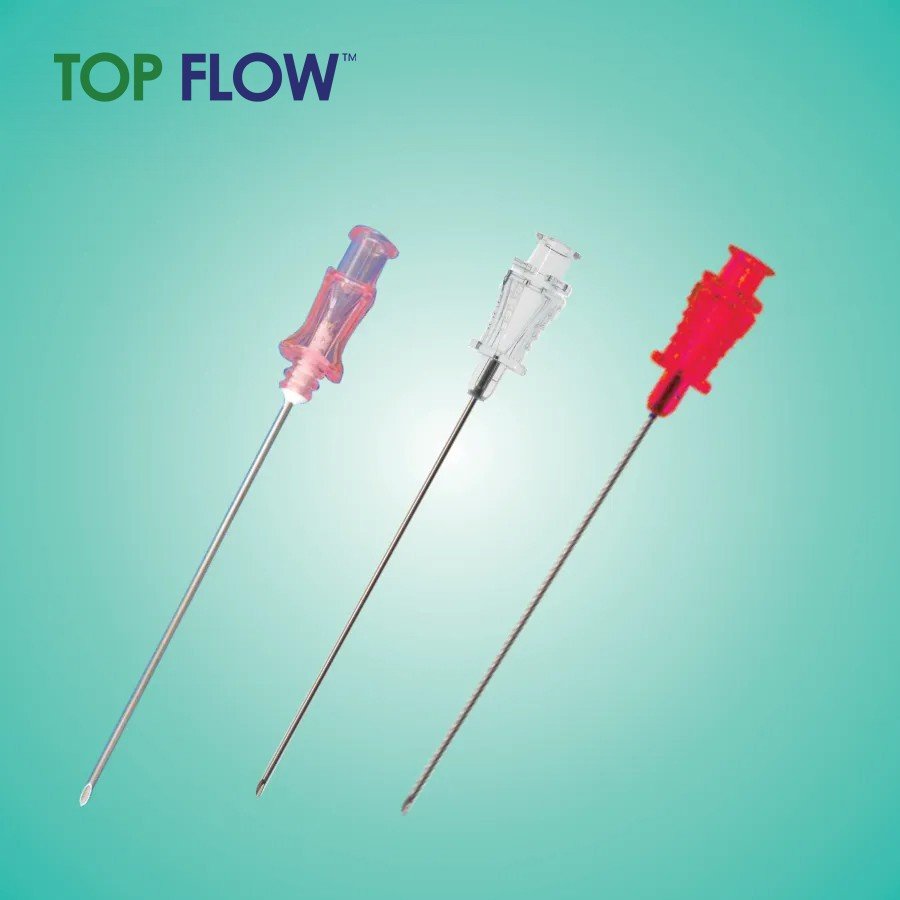
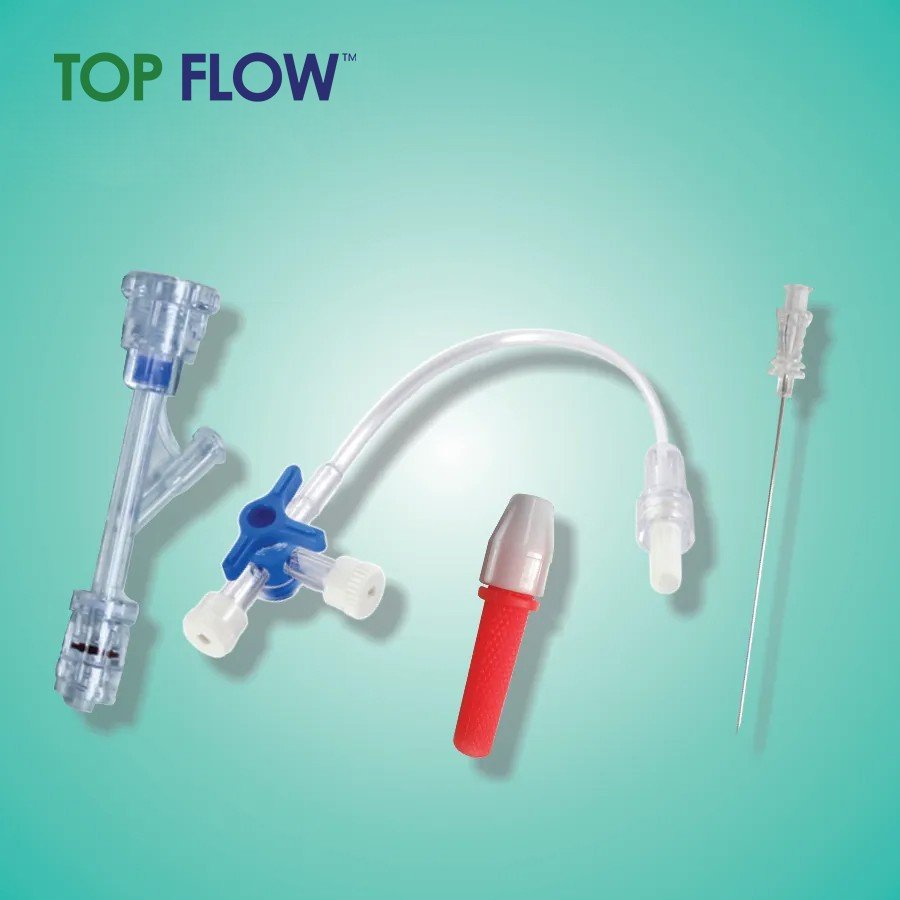
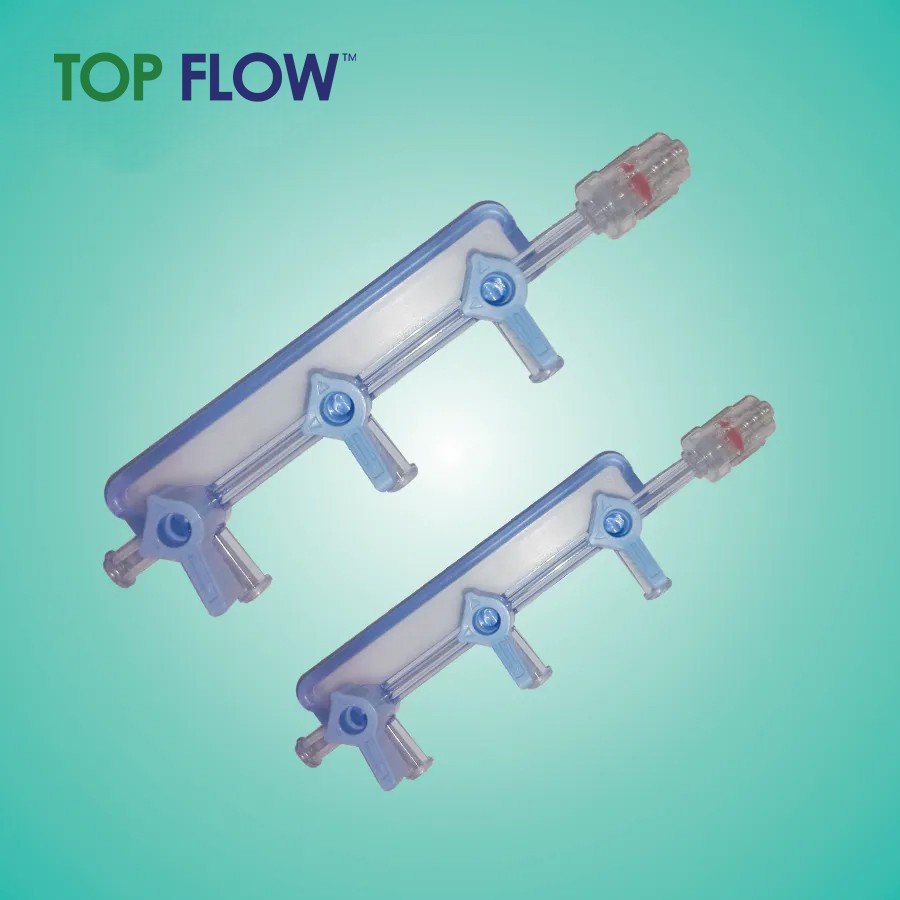
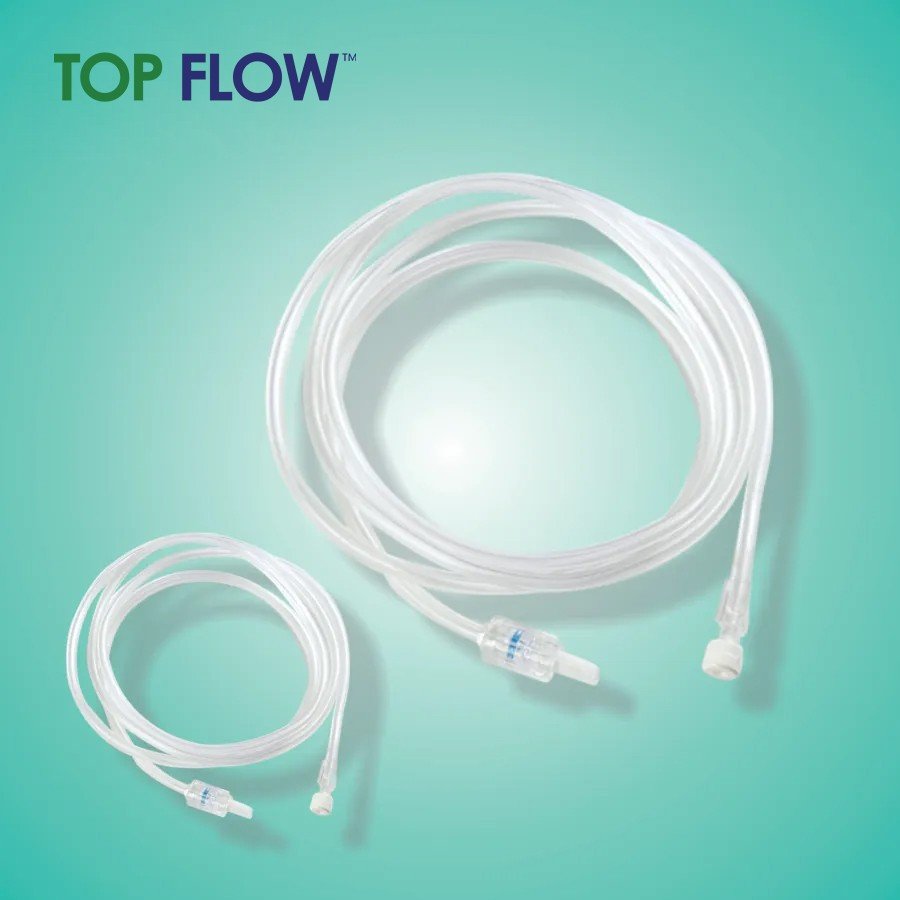
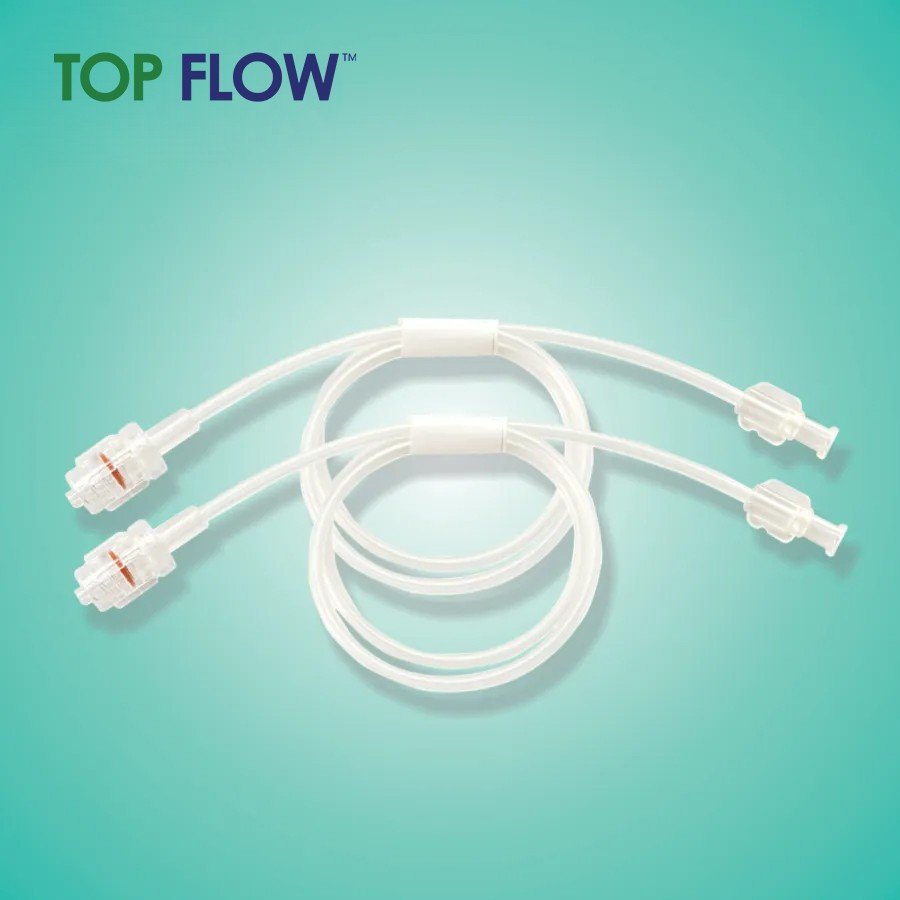
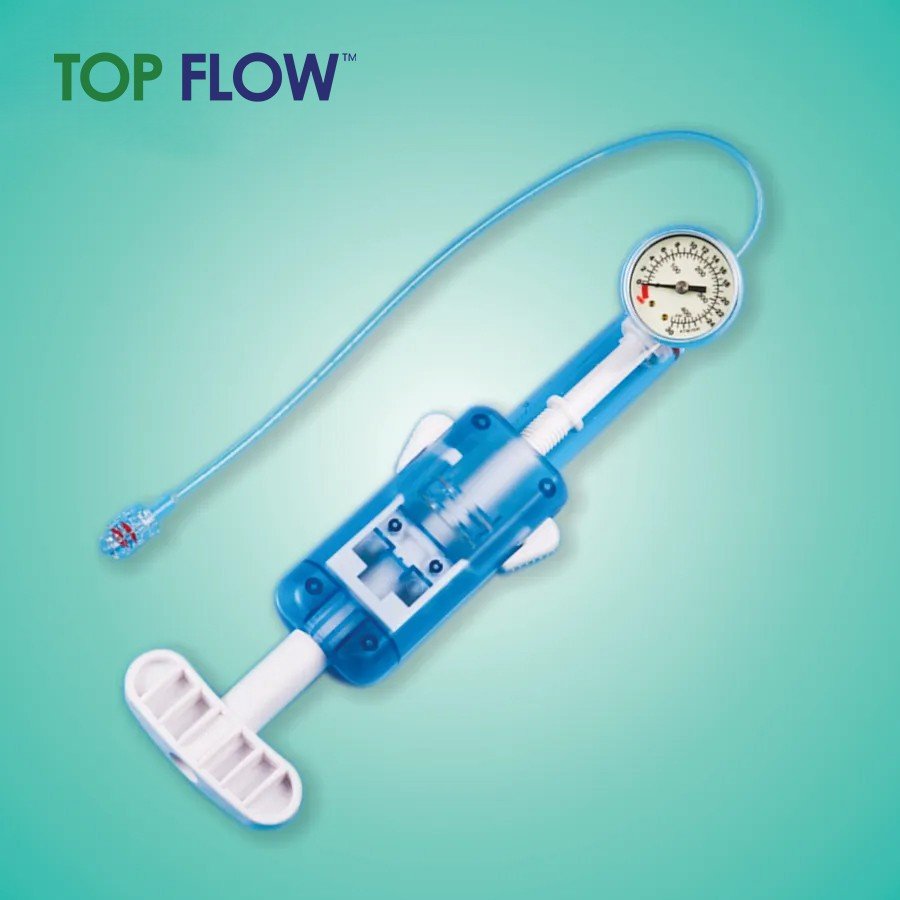
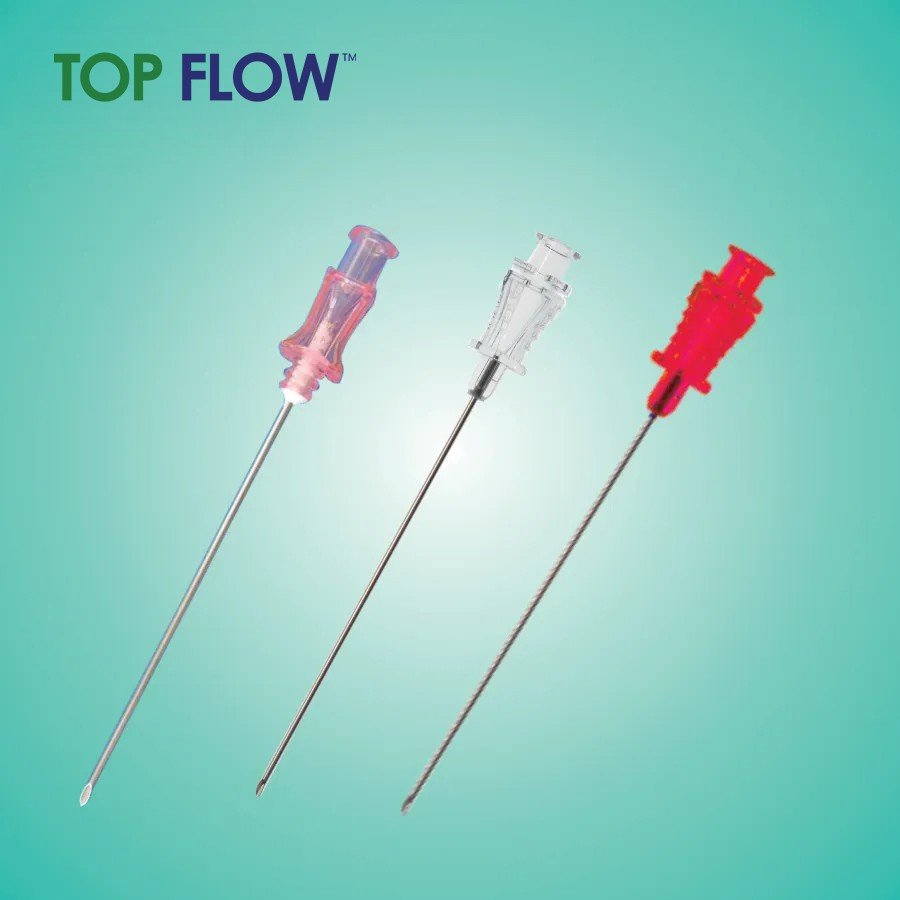
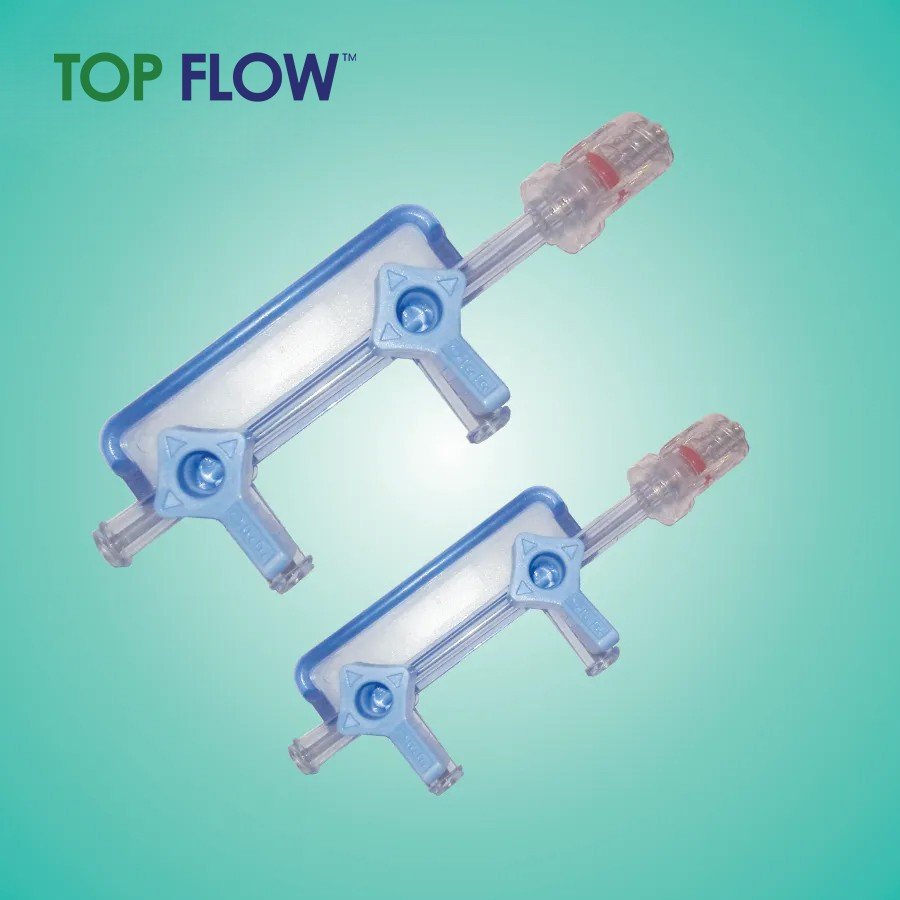
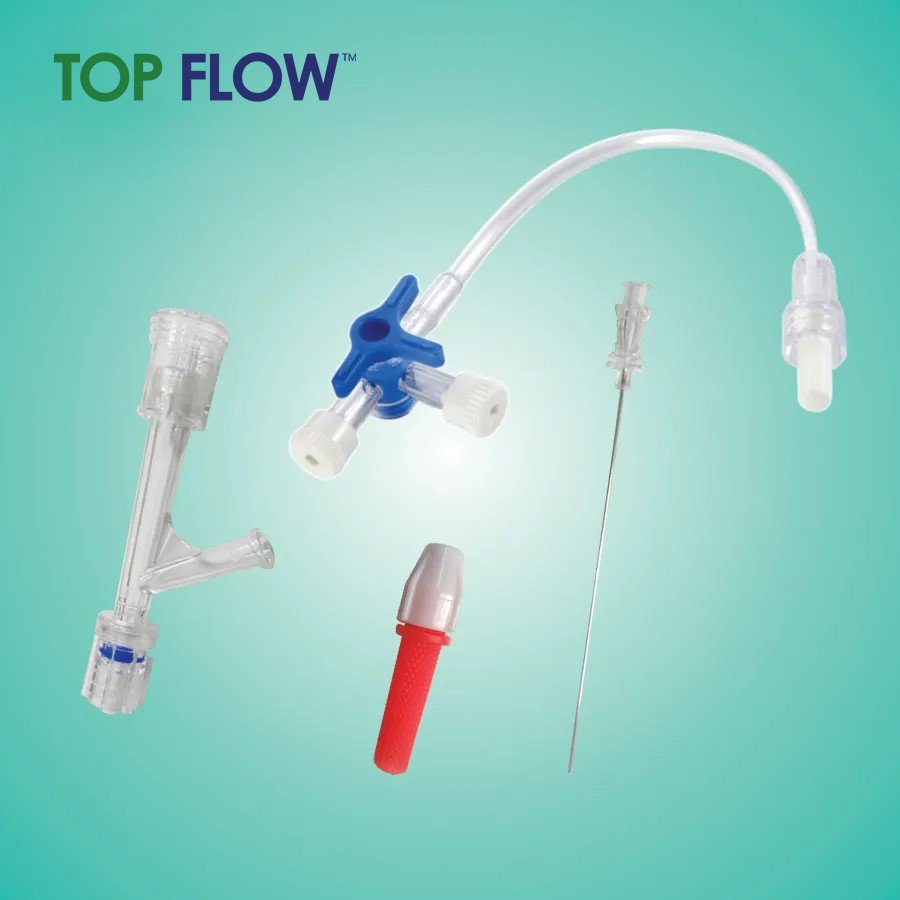
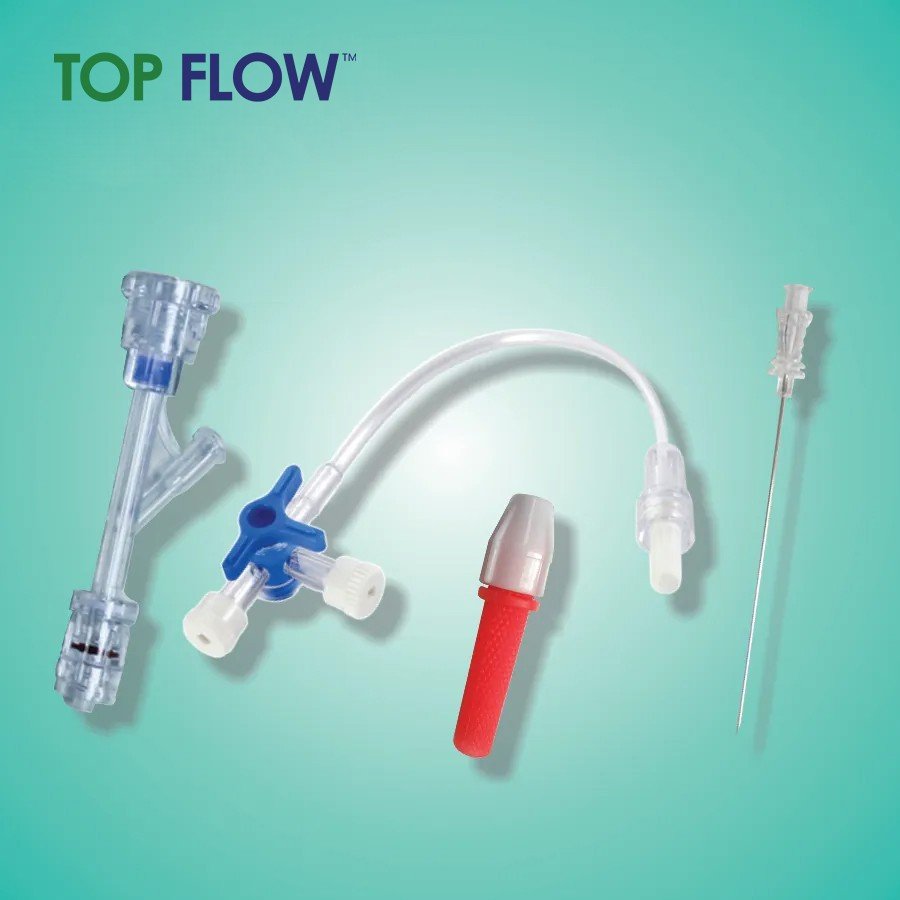
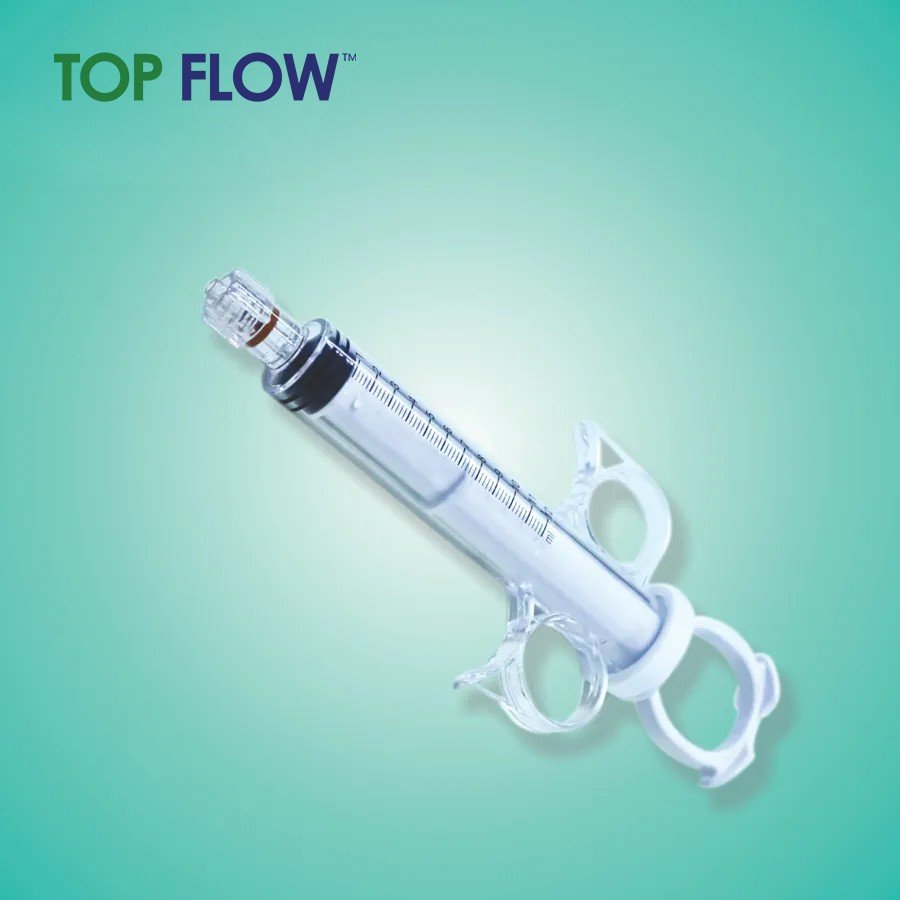
Cardiology products play a critical role in diagnostic and interventional cardiology procedures, ensuring precision, safety, and optimal patient outcomes. Products such as Medical Guidewires (150 cm and 260 cm), PTFE Guide Wires, and Introducer Needles (Premium and Y-Shape) are designed to facilitate accurate vascular access and guide catheter placement. The PTCA Y-Connector Kits (Screw Type, Push Pull, and Push Click) and Angio Kits provide seamless connectivity during percutaneous transluminal coronary angioplasty (PTCA) procedures. Trans Radial Sheaths and Introducer Sheaths (Femoral) offer reliable access points for catheterization, while Inflation Devices (20 ATM to 30 ATM) and Inflation Indeflators ensure precise balloon inflation. Additionally, components like Manifolds (2 Port and 3 Port), High Pressure Tubing, Pressure Monitoring Lines, and Coronary Control Syringes enable accurate pressure monitoring and fluid management, making them essential in delivering effective cardiovascular care.

Frequently Asked Questions

What are cardiology products?

Cardiology products are medical devices, medications, and supplements designed to support heart health, diagnose cardiovascular conditions, and aid in treatment and recovery.

Who needs cardiology products?

Individuals with heart disease, high blood pressure, arrhythmias, or those recovering from cardiac procedures may benefit from cardiology products. People at risk for cardiovascular conditions may also use preventive products.

What types of cardiology products are available?

Cardiology products include:Medical Guidewires (150 cm and 260 cm), PTFE Guide Wires, Introducer Needles (Premium and Y-Shape), PTCA Y-Connector Kits (Screw Type, Push Pull, and Push Click), Angio Kits, Trans Radial Sheaths, Introducer Sheaths (Femoral), Inflation Devices (20 ATM to 30 ATM), Inflation Indeflators, Manifolds (2 Port and 3 Port), High Pressure Tubing, Pressure Monitoring Lines, and Coronary Control Syringes.

How can I choose the right cardiology products?

Consult your cardiologist to determine the best products based on your medical condition, risk factors, and treatment plan.